




Pueblo de pinturas al óleo de Dafen
El poder del retrato psicológico: Lecciones de arte de calidad museística para el coleccionista moderno
Art That Stares Back: 6 Masterpieces That Defined an Era
As a curator, I’m always hunting for pieces that don’t just sit on a wall—they demand your attention. Some paintings are beautiful, but others are visceral. They have “main character energy” that spans centuries. Here are six iconic works where the gaze says more than a thousand words.
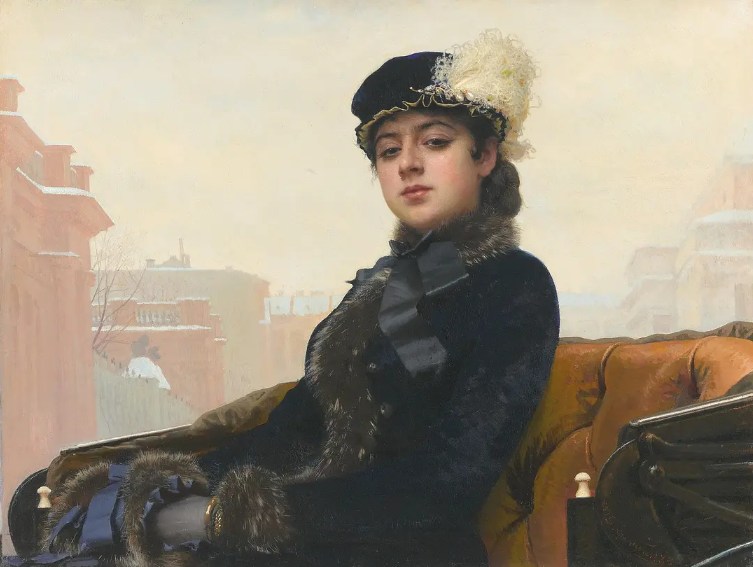
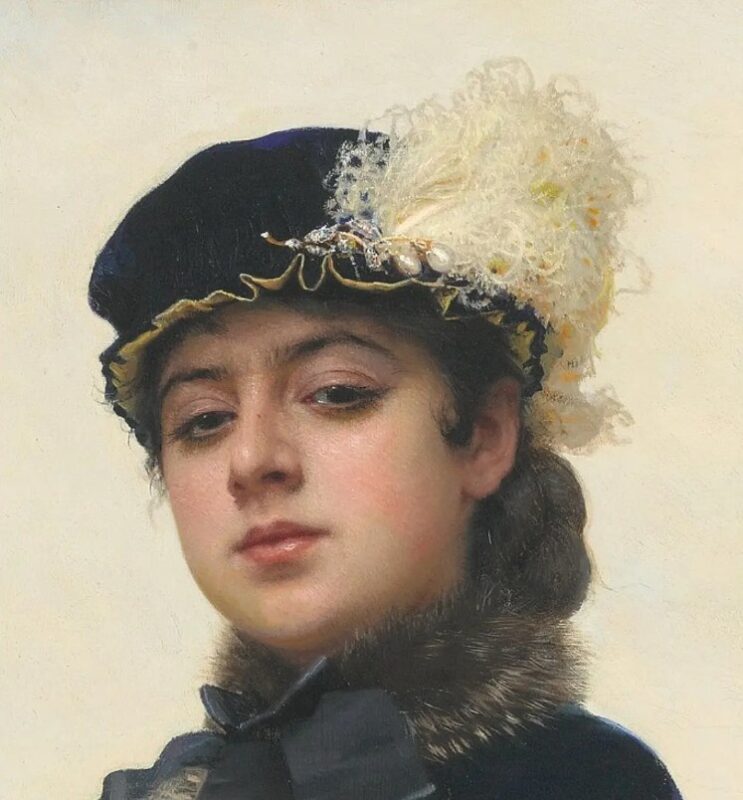
1. Ivan Kramskoy, “Unknown Woman” (1883)
When this premiered, the Russian elite were scandalized. They couldn’t handle a woman looking back at them with such steely, defiant pride. Was she a noblewoman or a “fallen” socialite? Kramskoy’s answer is legendary: “She is a whole era.” Today, she remains the ultimate symbol of feminine mystery and Russian Realism.
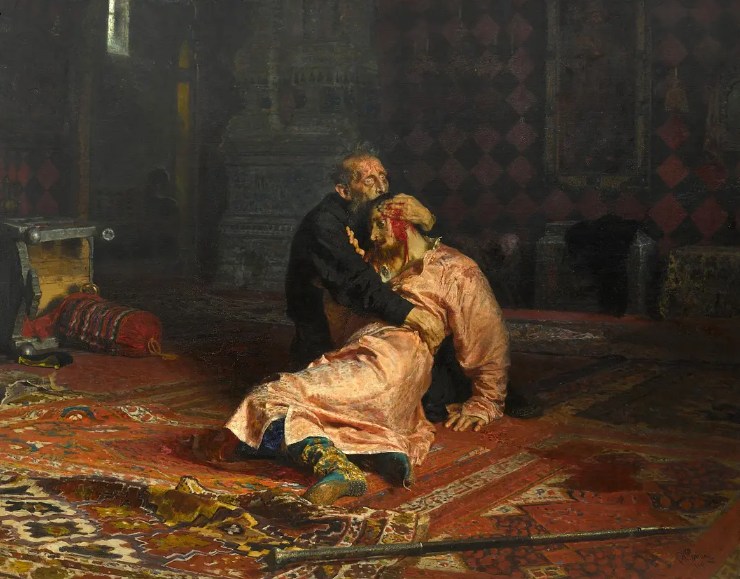
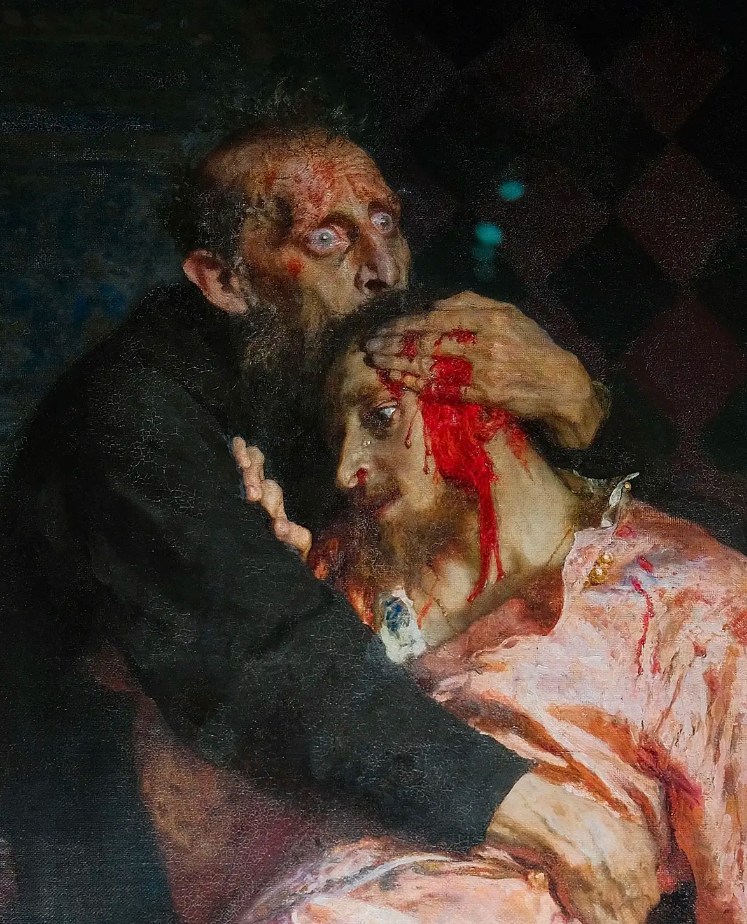
2. Ilya Repin, “Ivan the Terrible and His Son” (1885)
If you want to understand psychological depth in art, look at the eyes of Ivan the Terrible. Repin captured the exact second the Tsar realized he had accidentally killed his own son in a fit of rage. That haunting look of shock, regret, and madness… it gives me chills every single time. It is arguably the most emotionally charged historical painting in existence.
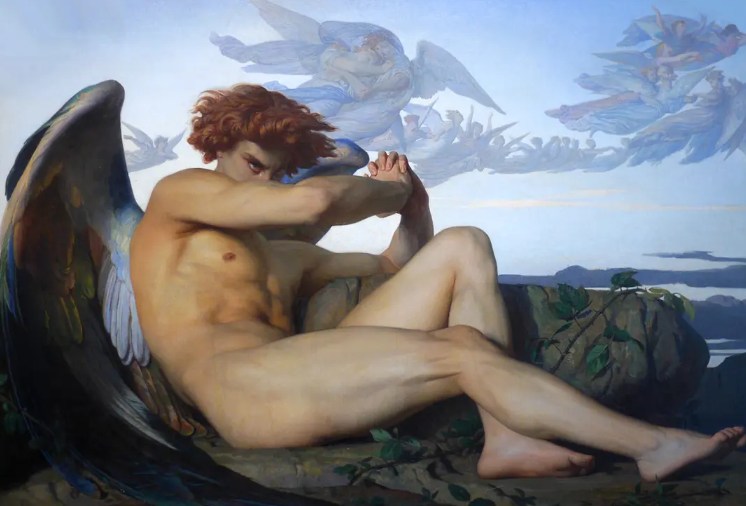
3. Alexandre Cabanel, “The Fallen Angel” (1847)
Inspired by Milton’s Paradise Lost, this is the most “romantic” version of Lucifer you’ll ever see. The Academy judges originally hated it for being “too romantic,” but that’s exactly why the internet is obsessed with it today. That single tear and the burning glare? It’s the quintessential portrayal of pride and resentment.

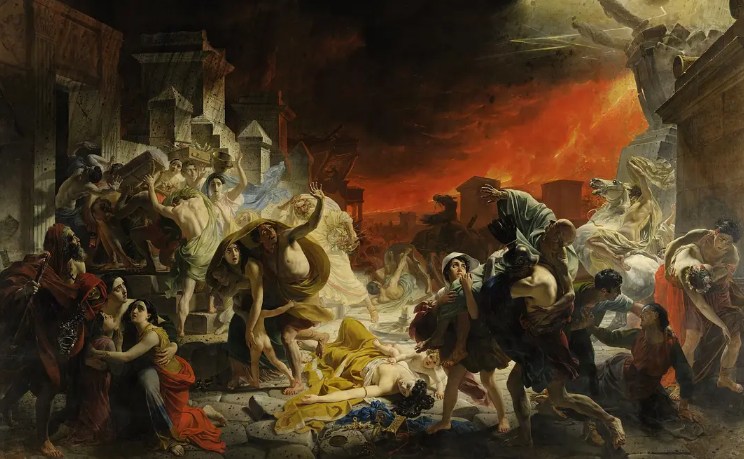
4. Karl Bryullov, “The Last Day of Pompeii” (1833)
This is a cinematic epic on canvas. While Vesuvius erupts in the background, look closely at the left side—the man with the paintbox on his head is Bryullov himself. It’s a brilliant bit of meta-commentary on Russian society, showing the artist as a witness to the inevitable collapse of an empire.
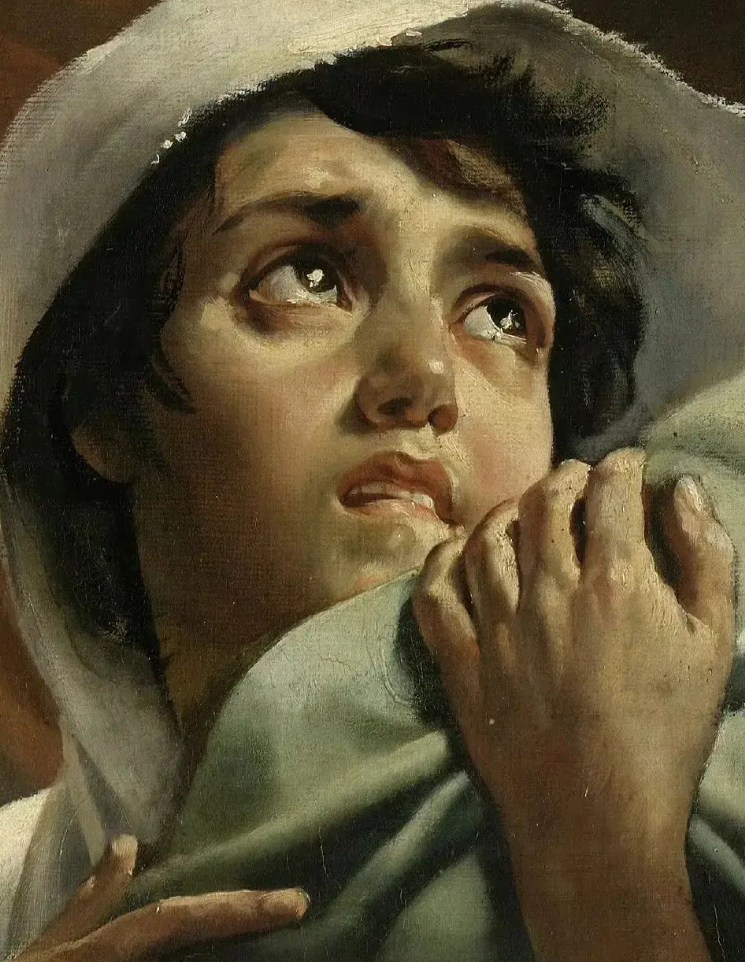
5. Carl Bloch, “In a Roman Osteria” (1866)
This is the 19th-century version of “What are you looking at?” The three patrons are glaring at us with such playful, mocking intensity that it almost feels intrusive. Even the cat in the bottom left is judging you! It’s a masterclass in breaking the fourth wall in classical art.

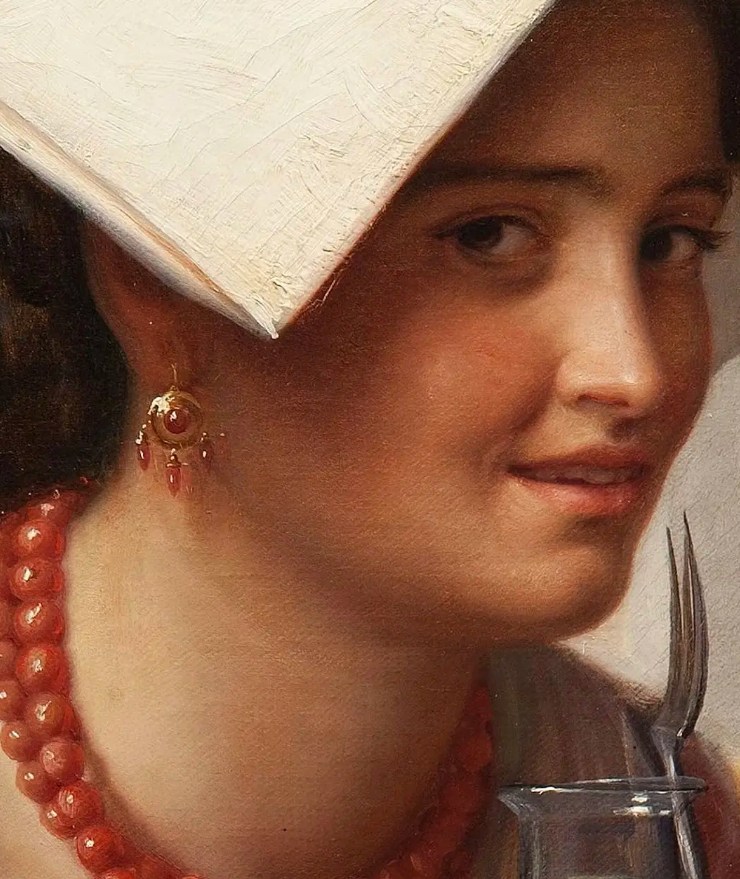
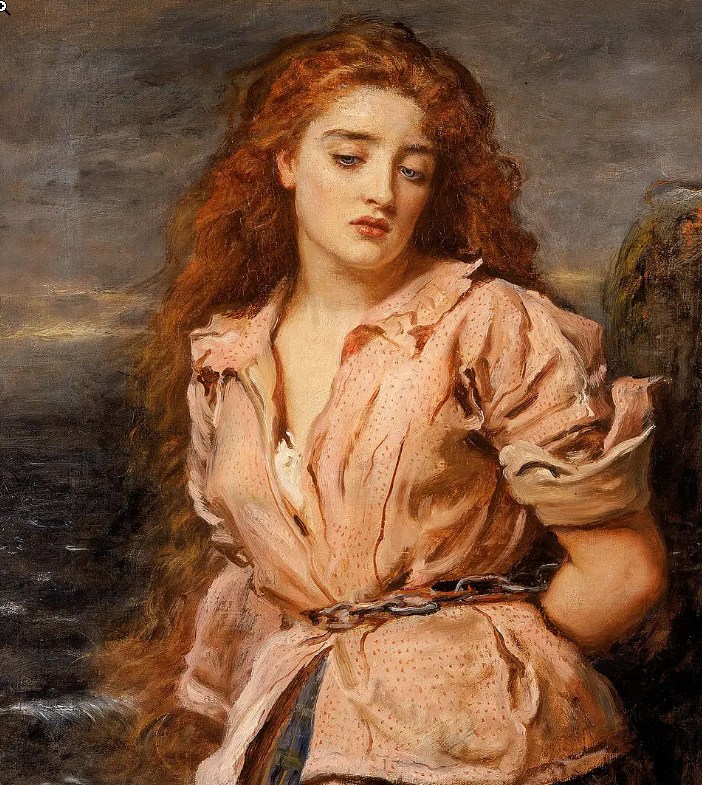
6. John Everett Millais, “The Martyr of Solway” (1871)
The story behind this Pre-Raphaelite masterpiece is heartbreaking. Margaret Wilson was only 18 when she was tied to a stake in the rising tide for her faith. Millais paints her not with terror, but with a hauntingly peaceful resolve. It’s a powerful exploration of faith and sacrifice captured through the lens of Victorian aesthetics.

The Soul of the Portrait: Repin’s Final Word
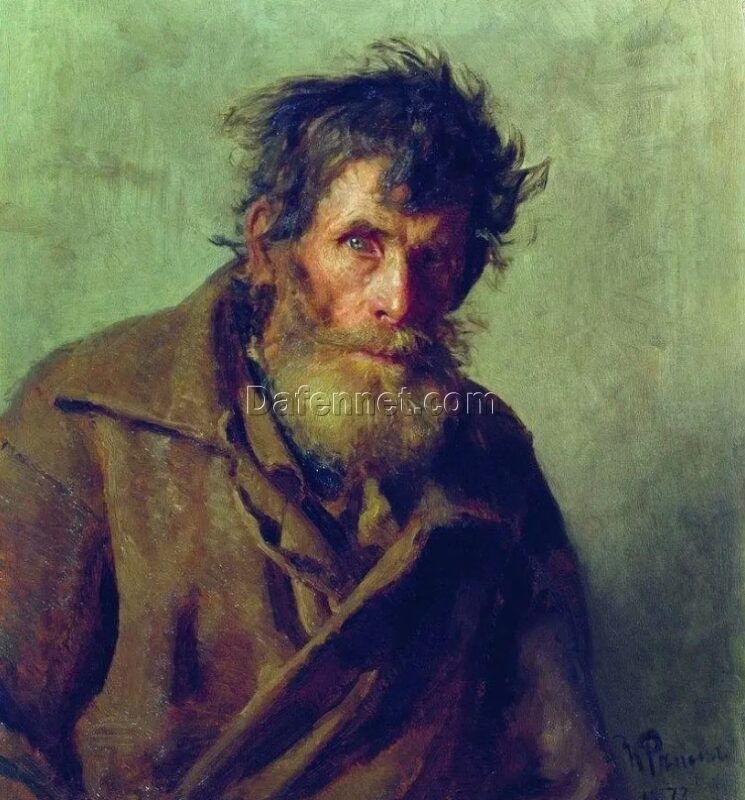
I wanted to leave you with a few of Ilya Repin’s portraits. There is a reason he is considered a god of the brush. He didn’t just paint faces; he painted souls. His ability to capture the “living gaze” is something every modern artist strives for. When you look at a Repin, the person on the canvas feels like they are about to speak.
