




Peinture à l'huile de Dafen Village
L'art perdu de l'esquisse préparatoire : comment réaliser des esquisses sur toile pour la peinture à l'huile comme un maître
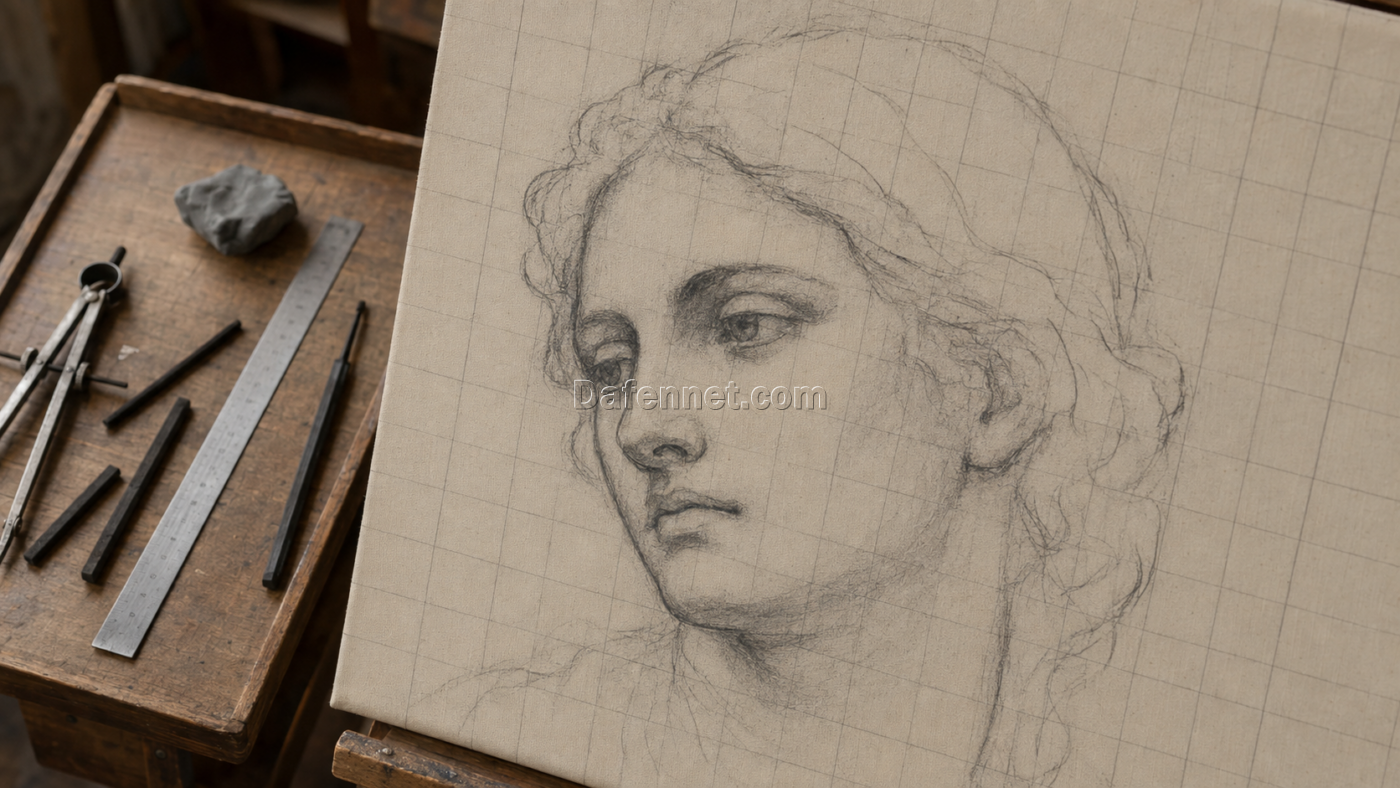
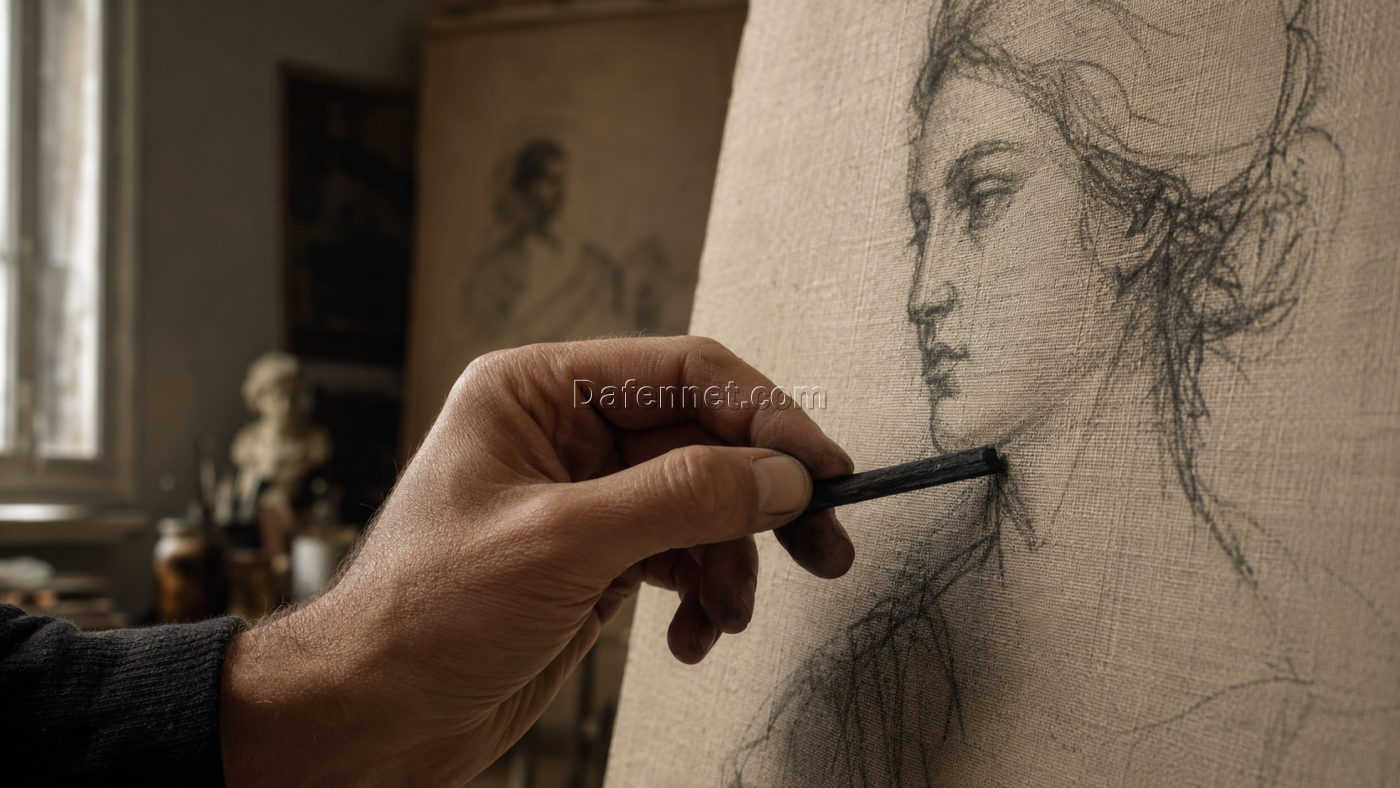
A lot of beginner painters think an underdrawing is just a quick, lazy 30-second outline—a few faint lines slapped on the canvas before the “real” magic of oil paint takes over.
If you’re painting quick, direct alla prima landscapes, sure, a quick rough sketch might suffice. But if you are aiming for breathtaking depth, classical realism, and portraits that practically breathe off the linen, that sketch on canvas isn’t just a blueprint—it’s 90% of your visual foundation.
Why the Underdrawing is Your Secret Weapon
In classical realism, the sketch is where your artistic language is born. It is your first intimate conversation with your subject. Instead of rushing to slap down heavy impasto or rich color, master painters treat drafting as a flexible, evolving process where mistakes are welcome and adjustments are essential.
Take a page from modern realist masters like Zhao Ge: the underdrawing isn’t created in one lucky strike. It’s an evolutionary, 3-step ritual:
- The Raw Concept & Life Sketch: Grab your sketchpad, sit in front of your model, and capture raw emotion. Don’t worry about perfect anatomy yet—focus on gesture, lighting, and genuine human vibe.
- Distilling the Essence: Go back over your sketch. Strip away unnecessary clutter, refine the proportions, and zero in on the inner character of your subject.
- The Sculptural Final & Grid Transfer: The third sketch is where line work becomes razor-sharp. You refine the contours until the subject feels almost three-dimensional on flat paper. Once that visual structure is locked in, you use the classic grid transfer method to scale and copy your finished composition precisely onto your canvas.
Pro Tip: Never feel guilty about spending days on your draft. Taking time to solve structural and composition problems on paper saves you from drowning in muddy oil paint later.
Choosing Your Underdrawing Tools: What Works (and What Bleeds)
You don’t always need to render heavy shadows during the drafting stage—sometimes clean structural lines or a simple monochromatic wash are all you need. But what tool should you actually use on primed canvas?
Here is a breakdown of the best underdrawing materials for oil painters, along with a few traps to avoid:
- Vine & Willow Charcoal Sticks: The gold standard for sketching on canvas. Vine charcoal wipes off instantly with a dry rag, making adjustments effortless. Charcoal sticks leave crisp, darker lines when you need definitive marks.
- Charcoal Pencils: Perfect for fine detail work and crisp contours.Warning: Avoid standard graphite lead pencils! Graphite contains graphite oils that slowly bleed through light-colored oil paint over time, leaving ugly metallic gray smudges on your finished artwork.
- Pastels & Crayons: Use these sparingly. Avoid heavy white or light-colored waxy crayons—they break down the bond between your oil paint and the gesso ground, leading to flaking down the road.
- Thin Watercolors & Acrylics: Ultra-diluted watercolors create a lovely initial color wash that won’t interfere with your paint layers. If you want a bold, permanent monochromatic underpainting, thin acrylic paint dries fast and stays put.
- Indian Ink / Chinese Ink: A secret favorite among classical painters. Once dried, ink line work won’t dissolve or smudge when you brush over it with turpentine or mineral spirits, giving you permanent guides underneath your glazes.
- Graphite Transfer Paper: The cleanest way to trace a pre-finished paper design directly onto a stretched canvas without rubbing away your primer.
Don’t Forget Your Safety Net: Fixatives & Rags
If you use loose materials like vine charcoal, soft pastel, or chalk, a bottle of spray fixative is mandatory. A light mist over your finished canvas sketch locks the loose dust in place. Without fixative, your raw charcoal will mix directly with your first layer of white or yellow oil paint, turning your bright highlights into a muddy mess.
Keep a few soft cotton rags, kneaded erasers, and a bottle of fixative right next to your easel. Embrace the freedom to erase, redraw, and push lines around until your image snaps into focus. Master the sketch, and the painting will practically paint itself!
